
Matthew Menneke Matthew Menneke

Top World War II Museums in Berlin: A Visitor's Guide

Explore Berlin’s WWII history through its top museums—powerful sites that reveal the rise of Nazism, stories of resistance, and the lasting impact of war and remembrance.

Berlin, a city steeped in history, stands as a poignant reminder of the tumultuous events of World War II and its dark past. The German capital offers a unique opportunity to explore this dark chapter of human history through its numerous museums and memorials. These institutions not only preserve the past but also serve as powerful reminders of the consequences of totalitarianism and the importance of safeguarding democracy. Berlin’s transformation from the epicentre of Nazi power to a symbol of reconciliation and remembrance highlights the significance of the city's history, making it an unparalleled destination for those seeking to understand the complexities of 20th-century history. The DDR Museum is a key destination for understanding life in East Germany during the Cold War, with its interactive exhibits and authentic recreations of East German living conditions.

In this comprehensive guide, we’ll explore the top 14 World War II museums in Berlin, each offering a unique perspective on the war, its causes, and its aftermath. Whether you’re a history buff or simply seeking to understand this pivotal period, these museums provide invaluable insights into the complexities of World War II and its lasting impact on Germany and the world. If you are interested in exploring the city's history, visiting Berlin and its historical sites is highly recommended. From the grand institutions that tackle the broader narratives of the war to the intimate spaces that tell personal stories of resistance and survival, Berlin’s museums offer a multifaceted approach to understanding this critical period in history. The German Historical Museum is a key cultural institution that showcases Germany’s extensive history, including World War II, through diverse collections and exhibitions.


Introduction to World War II in Berlin

Berlin, the capital of Germany, played a pivotal role during World War II. As the epicentre of the Nazi regime, the city witnessed some of the most significant and devastating events of the 20th century. Berlin's political evolution from the German Empire to the Nazi era significantly influenced its central role in these historical events. From the rise of Adolf Hitler to the fall of the Berlin Wall, Berlin’s landmarks and museums serve as poignant reminders of its tumultuous past. The city’s numerous World War II sites, including the Jewish Museum and various memorials, offer a profound glimpse into the era’s history and the broader context of Berlin's history, making Berlin an essential destination for those seeking to understand the impact of the war.

Soviet artwork depicting the Battle of the Reichstag, May 1945

Brief Overview of World War II in Berlin

World War II had a profound and lasting impact on Berlin. The war, which began in 1939, saw Berlin become a primary target for Allied bombing raids, resulting in extensive damage and loss of life. The city was also the stage for significant events such as the Battle of Berlin in 1945, which marked the final major offensive in the European theatre. The capture of Berlin by Soviet forces in May 1945 signalled the end of the war in Europe, leading to the city’s division and the onset of the Cold War. These events have left an indelible mark on Berlin, shaping its history and identity. The preservation of Berlin's wartime history is evident in its many museums and memorials, which serve as reminders of the city's role during World War II and educate visitors about its past.

Importance of Visiting World War II Museums in Berlin

Visiting World War II museums in Berlin is essential for understanding the city’s history and the war’s impact on its people. These museums offer unique perspectives on the events of the war and, like many Berlin museums, showcase the city’s diverse and accessible cultural institutions. They feature personal stories, artefacts, and detailed exhibits that bring history to life.

By exploring these museums, visitors can gain deeper insights into the complexities of the war, the horrors of the Nazi regime, and the resilience of those who lived through it. These institutions not only educate but also serve as powerful reminders of the importance of remembering and learning from the past.


Essential World War II Museums in Berlin

While Berlin boasts numerous sites related to World War II, the following 15 museums stand out for their historical significance, comprehensive exhibits, and educational value. Let’s dive into what makes each of these museums a must-visit destination for those interested in World War II history. Guided tours are available for many of these important WWII sites in Berlin, allowing visitors to experience their historical significance firsthand. Each of these institutions contributes to a fuller understanding of the war, its causes, and its far-reaching consequences, helping visitors to grasp the complexities of this period and its relevance to our world today.

Berlin's WWII museums are comparable to those found in other major European cities, such as Paris, Prague, Krakow, and London, which are also renowned for their historical tours and significant sites.

Topography of Terror

Location: Niederkirchnerstraße 8, 10963 Berlin
Opening hours: Daily, 10:00 AM - 8:00 PM
Admission: Free

The Topography of Terror, a significant terror museum in Berlin, stands on the former site of the SS Reich Security Main Office and the Gestapo Headquarters, where the secret state police orchestrated much of the Nazi regime’s repression and surveillance. This free museum and documentation centre offers a chilling look into the Nazi regime’s apparatus of terror and persecution. The location itself is a powerful reminder of the physical proximity of evil, as visitors stand on the very ground where the architects of the Holocaust planned their atrocities.

Key features:

  • Extensive outdoor and indoor exhibits chronicling the rise and fall of Nazism

  • Displays on Nazi propaganda and the site’s history

  • Remnants of the Berlin Wall adjacent to the museum

  • Detailed timelines and biographical information on key Nazi figures

  • Regular special exhibitions focusing on specific aspects of Nazi terror

The Topography of Terror provides a sobering examination of the Nazi power structure and its devastating consequences, making it an essential stop for understanding the mechanisms behind the Third Reich. The museum’s approach is unflinching, presenting visitors with hard facts and stark realities that challenge easy assumptions about the nature of evil and the human capacity for cruelty.


German Resistance Memorial Centre

Location: Stauffenbergstraße 13-14, 10785 Berlin Opening hours: Tuesday-Sunday, 9:00 AM - 6:00 PM Admission: Free

Housed in the historic Bendlerblock, where Claus von Stauffenberg and other resistance members attempted to assassinate Hitler, this museum honours those who opposed the Nazi regime and resisted the Nazi dictatorship. The site itself is imbued with historical significance, allowing visitors to stand in the very spaces where brave individuals plotted to overthrow tyranny.

Key features:

  • Exhibits on various resistance groups and individuals

  • Documents and photographs detailing resistance activities

  • The memorial courtyard where resistance members were executed

  • Biographical sketches of key resistance figures

  • Information on the July 20, 1944, plot to assassinate Hitler

The German Resistance Memorial Centre offers a powerful counterpoint to the narrative of widespread German support for the Nazis, highlighting the courage of those who risked everything to oppose tyranny. The museum also commemorates the silent heroes who resisted Nazi persecution, ensuring their acts of bravery are not forgotten. It serves as a reminder that even in the darkest times, there are always those who stand up for what is right, often at great personal cost.


House of the Wannsee Conference

Location: Am Großen Wannsee 56-58, 14109 Berlin Opening hours: Tuesday-Sunday, 10:00 AM - 6:00 PM Admission: €6 for adults, free for students and under 18

This villa, where Nazi officials met in 1942 to coordinate the implementation of the “Final Solution,” now serves as a museum and memorial to the Holocaust, marking the site of the infamous Wannsee Conference. The contrast between the beautiful lakeside setting and the horrific plans made here serves as a stark reminder of the banality of evil.

Key features:

  • Exhibits on the Wannsee Conference and its participants

  • Documents and photographs related to the Holocaust, including archival materials and exhibits highlighting the significance of Eastern Europe during the Holocaust

  • Educational programs on antisemitism and racism

  • Detailed information on the process of planning the Holocaust

  • Exploration of the roles of various Nazi agencies in implementing genocide

The House of the Wannsee Conference provides a chilling look at the bureaucratic planning behind the Holocaust, emphasising the importance of recognising and resisting systemic evil. It demonstrates how genocide can be planned in mundane settings by seemingly ordinary individuals, challenging visitors to reflect on the nature of complicity and moral responsibility.


Museum Blindenwerkstatt Otto Weidt

Location: Rosenthaler Straße 39, 10178 Berlin Opening hours: Monday-Sunday, 10:00 AM - 8:00 PM Admission: Free

Entrance to the Otto Weidt Museum

This small museum tells the story of Otto Weidt, a brush manufacturer who employed and protected blind and deaf Jews during the Nazi era, representing the broader Jewish population targeted during the Holocaust. The intimate scale of the museum allows visitors to connect personally with the stories of those who worked here and the man who risked everything to protect them.

Key features:

  • Preserved workshop space

  • Personal stories of those Weidt helped save

  • Exhibits on everyday resistance during the Holocaust

  • Details on the methods Weidt used to protect his workers

  • Information on the fate of those Weidt tried to save

The Museum Blindenwerkstatt Otto Weidt offers an inspiring example of individual courage in the face of overwhelming evil, demonstrating how ordinary people can make extraordinary differences. It serves as a powerful reminder that resistance can take many forms and that even small acts of kindness and bravery can have profound impacts.


Memorial and Museum Sachsenhausen

Location: Straße der Nationen 22, 16515 Oranienburg Opening hours: March-October: Daily, 8:30 AM - 6:00 PM; November-February: Daily, 8:30 AM - 4:30 PM Admission: Free

The main entrance to Sachsenhausen Concentration Camp

Located just outside Berlin, Sachsenhausen was one of the first concentration camps established by the Nazi regime. Today, it serves as a powerful memorial and museum. The vast scale of the camp and the preserved structures provide a visceral understanding of the concentration camp system that words alone cannot convey. Additionally, the Memorial to the Murdered Jews of Europe in Berlin serves as a significant Holocaust memorial and a poignant site for remembrance of the Jewish victims of the Holocaust.

Key features:

  • Preserved and reconstructed camp buildings

  • Exhibits on the camp’s history and its prisoners

  • Memorial sites within the campgrounds. The memorial consists of commemorative plaques, sculptures, and preserved structures that honor the victims and provide space for reflection.

  • Information on the different groups persecuted by the Nazis

  • Details on the camp’s role in the larger concentration camp system

Sachsenhausen provides a sobering look at the reality of the concentration camp system, offering visitors a chance to reflect on the horrors of the past and the importance of human rights. Walking through the camp gates, seeing the barracks, and standing in the roll call area creates an emotional impact that lingers long after the visit.


Berlin Story Bunker

Location: Schöneberger Straße 23A, 10963 Berlin Opening hours: Daily, 10:00 AM - 7:00 PM Admission: €12 for adults, €6 for children
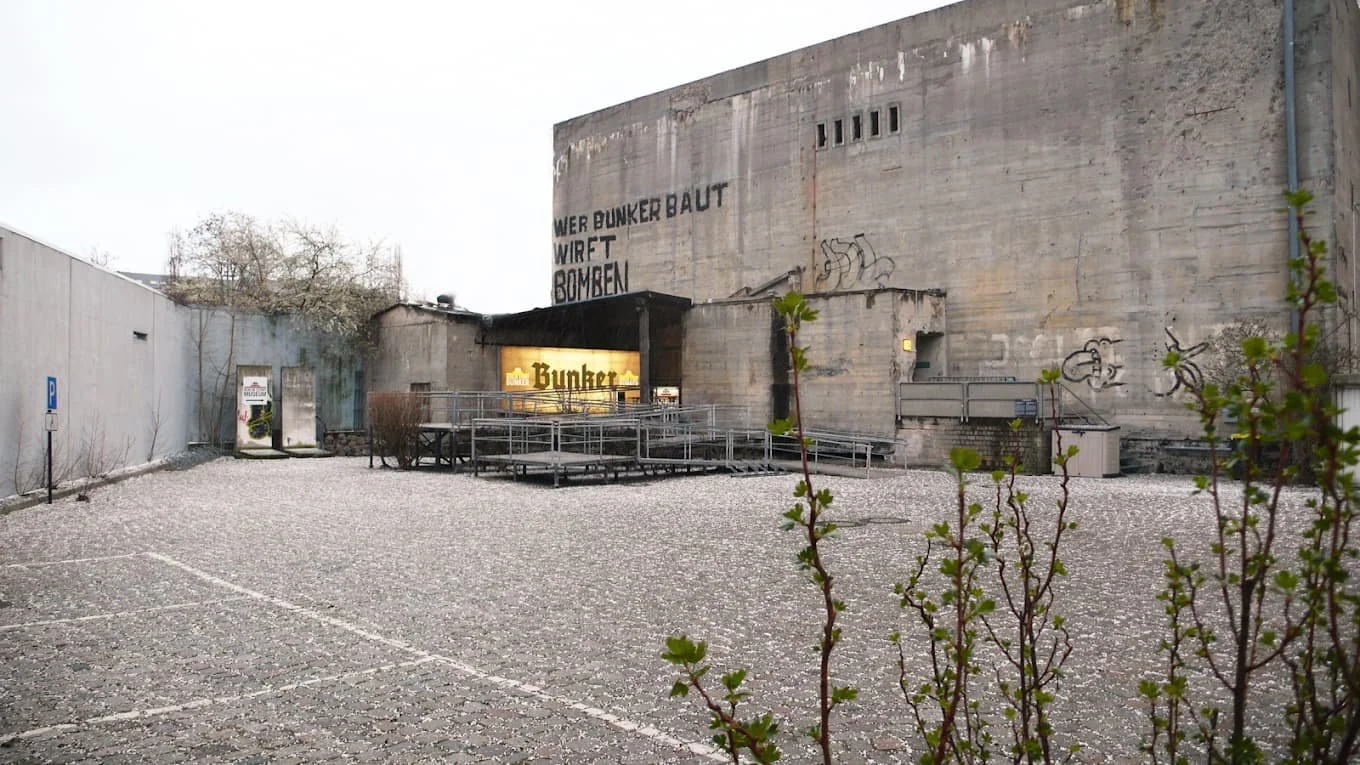
Entrance to the Berlin Story Bunker Museum

Housed in a former air raid shelter, this museum offers a comprehensive overview of Berlin’s history, with a significant focus on World War II. The bunker’s unique setting adds an extra layer of authenticity to the exhibits, allowing visitors to experience some of the claustrophobic reality of wartime Berlin.

Key features:

  • Exhibits on Hitler’s rise to power and the Nazi era, including interesting exhibits that attract visitors with engaging content about Hitler, the Nazi regime, and World War II history

  • Reconstructed bunker rooms

  • Multimedia presentations on Berlin during the war

  • Information on daily life in Berlin during the bombing campaigns

  • Exhibits on the fall of Berlin and the immediate post-war period

The Berlin Story Bunker provides an immersive experience that helps visitors understand the context and consequences of World War II in Berlin. By covering a broad sweep of history within the confines of an actual wartime structure, the museum also features exhibits about where Hitler spent his last days in the Führerbunker, highlighting the historical significance of this period. It offers a unique perspective on how the war impacted the lives of ordinary Berliners.


Nazi Forced Labour Documentation Centre

Location: Britzer Straße 5, 12439 Berlin Opening hours: Tuesday-Sunday, 10:00 AM - 6:00 PM Admission: €5 for adults, free for under 18
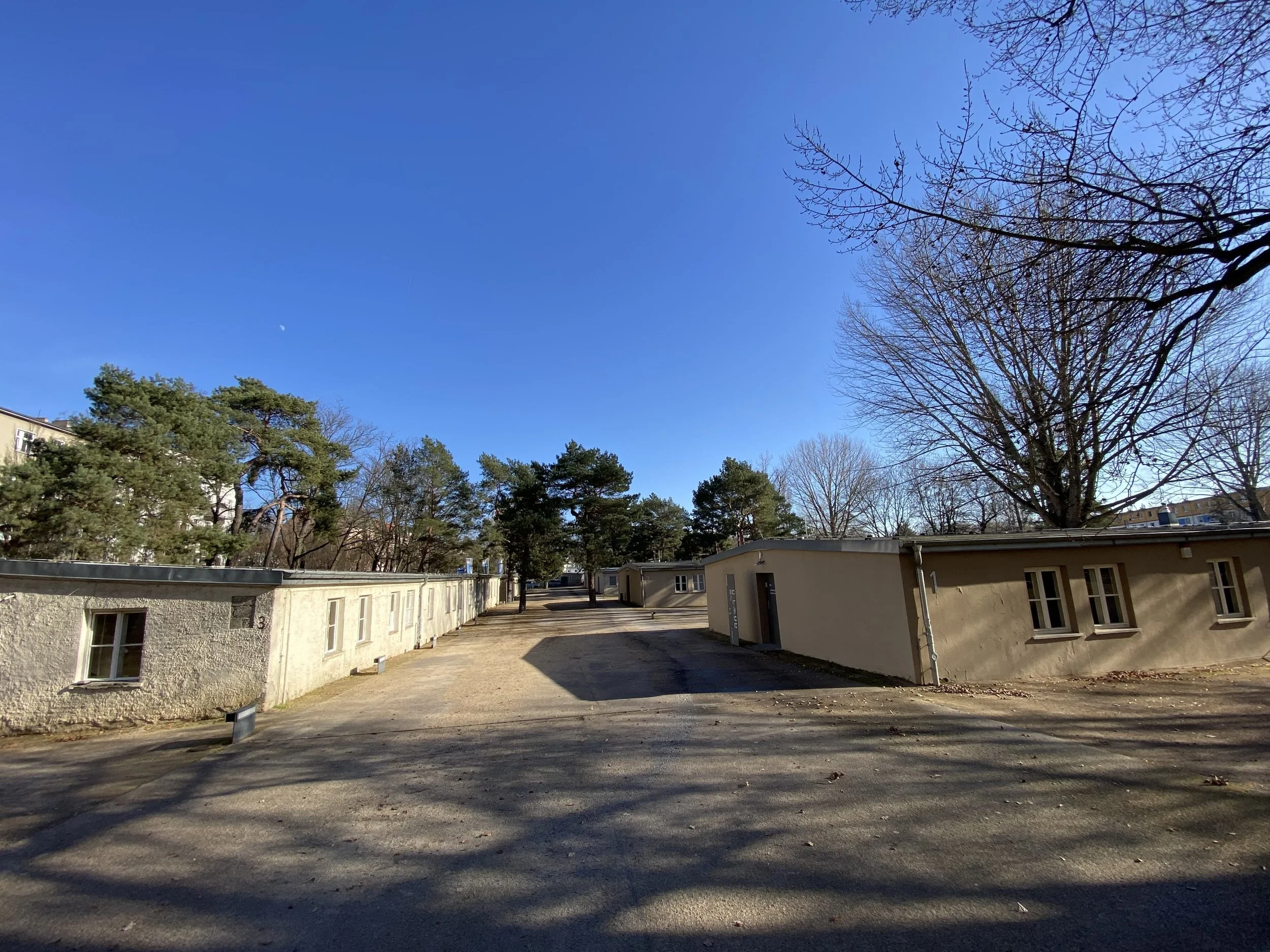
Barracks of the former labour camp.

This museum, located on the site of a former forced labor camp, documents the Nazi regime’s extensive use of forced labor during World War II. It focuses specifically on Nazi forced labor and its historical significance, highlighting the scale and impact of this system. The preserved buildings and exhibits provide a tangible link to a often-overlooked aspect of Nazi oppression.

Key features:

  • Preserved barracks and air raid shelter

  • Exhibits on the daily lives of forced labourers

  • Personal stories and testimonies

  • Information on the companies that used forced labour

  • Details on the post-war struggles for recognition and compensation

The Nazi Forced Labour Documentation Centre sheds light on a often-overlooked aspect of Nazi oppression, honouring the millions of people forced to work under brutal conditions. It challenges visitors to consider the ongoing legacy of this exploitation and the responsibilities of corporations and governments in addressing historical injustices.


Anne Frank Centre

Location: Rosenthaler Straße 39, 10178 Berlin Opening hours: Tuesday-Sunday, 10:00 AM - 6:00 PM Admission: €6 for adults, €3 for concessions

While Anne Frank’s story is most closely associated with Amsterdam, this Berlin centre offers a unique perspective on her life and legacy. By connecting Anne’s story to the broader context of the Holocaust and contemporary issues of discrimination, the centre makes history relevant to today’s visitors.

Key features:

  • Exhibit “All About Anne” detailing her life and diary

  • Information on the Holocaust and its impact on children

  • Exhibits covering Jewish life in Germany from the Middle Ages to the present

  • Educational programs on antisemitism and discrimination

  • Interactive elements are designed to engage younger visitors

  • Connections between Anne’s story and contemporary human rights issues

The Anne Frank Centre personalises the Holocaust through the story of one young girl, making the enormity of the tragedy more accessible and relatable. By focusing on Anne’s hopes, dreams, and everyday experiences, the centre helps visitors, especially young people, connect emotionally with the human cost of the Holocaust.


Memorial SA Prison Papestrasse

Location: Werner-Voß-Damm 54A, 12101 Berlin Opening hours: Thursday-Sunday, 1:00 PM - 6:00 PM Admission: Free
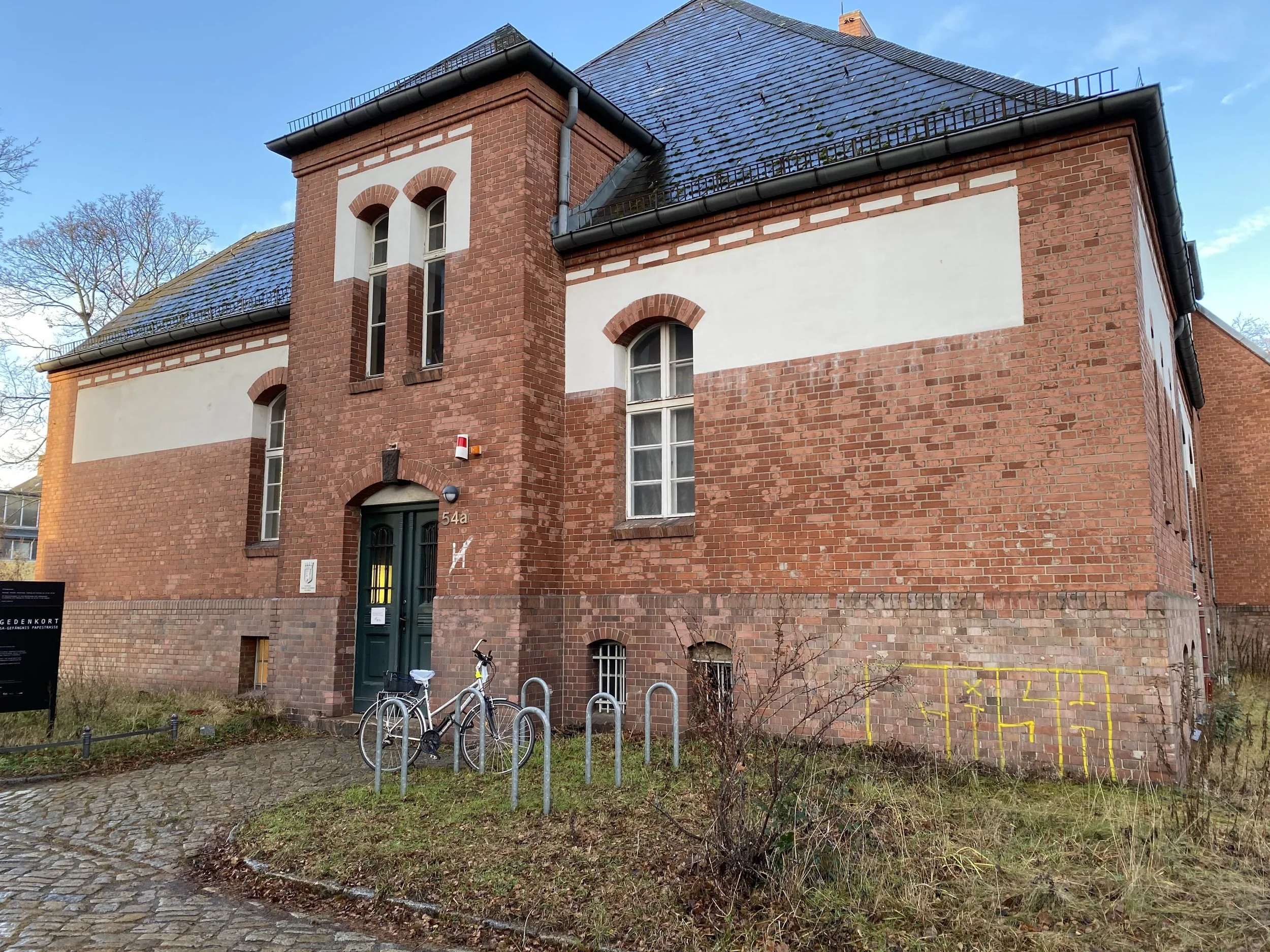
Main building entrance
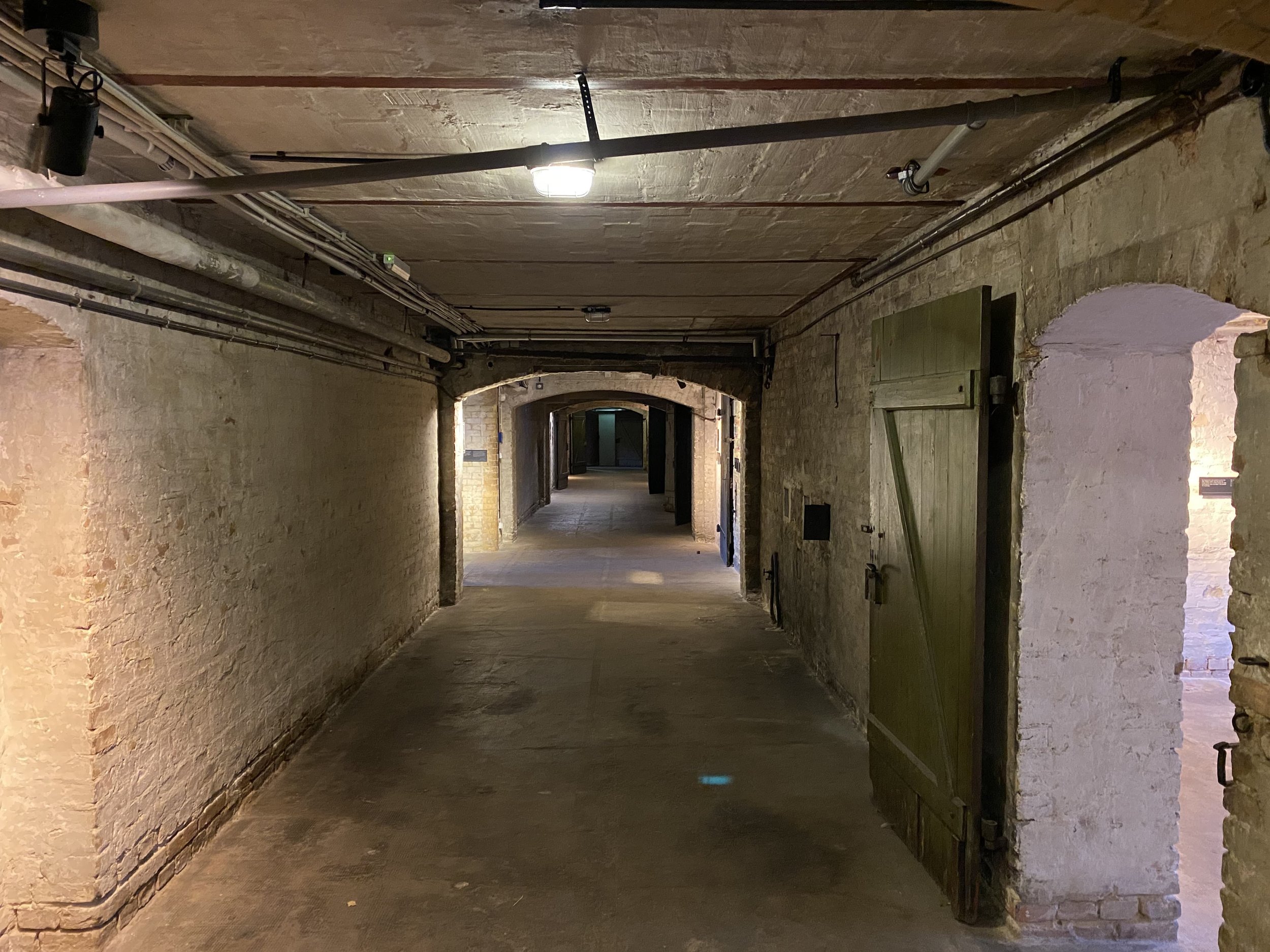
Inside the memorial and museum building

This hidden site was one of the earliest SA prisons, where political opponents and Jews were detained and tortured in 1933. Its unassuming exterior belies the horrors that occurred within, serving as a powerful reminder of how quickly and quietly repression can take root.

Key features:

  • Preserved prison cells

  • Exhibits on early Nazi persecution

  • Information on the SA's role in establishing Nazi power

  • Personal stories of those imprisoned here

  • Details on the methods used to intimidate and suppress opposition

The Memorial SA Prison Papestrasse offers insight into the early days of Nazi terror, demonstrating how quickly democratic norms can be eroded. It serves as a warning about the dangers of political violence and the importance of protecting democratic institutions from the very beginning of any authoritarian movement.


German-Russian Museum Berlin-Karlshorst

Location: Zwieseler Straße 4, 10318 Berlin Opening hours: Tuesday-Sunday, 10:00 AM - 6:00 PM Admission: Free
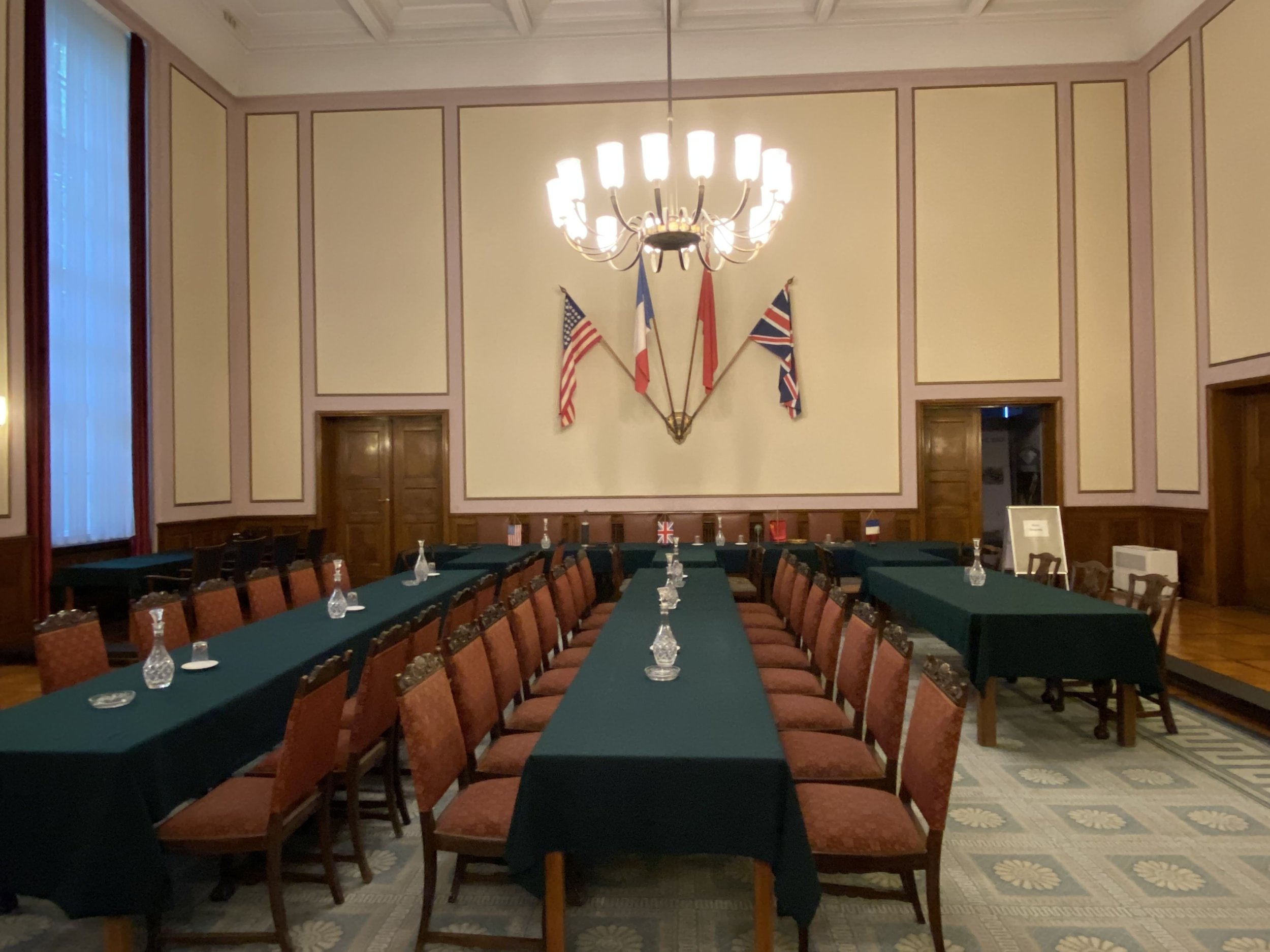
The place of surrender
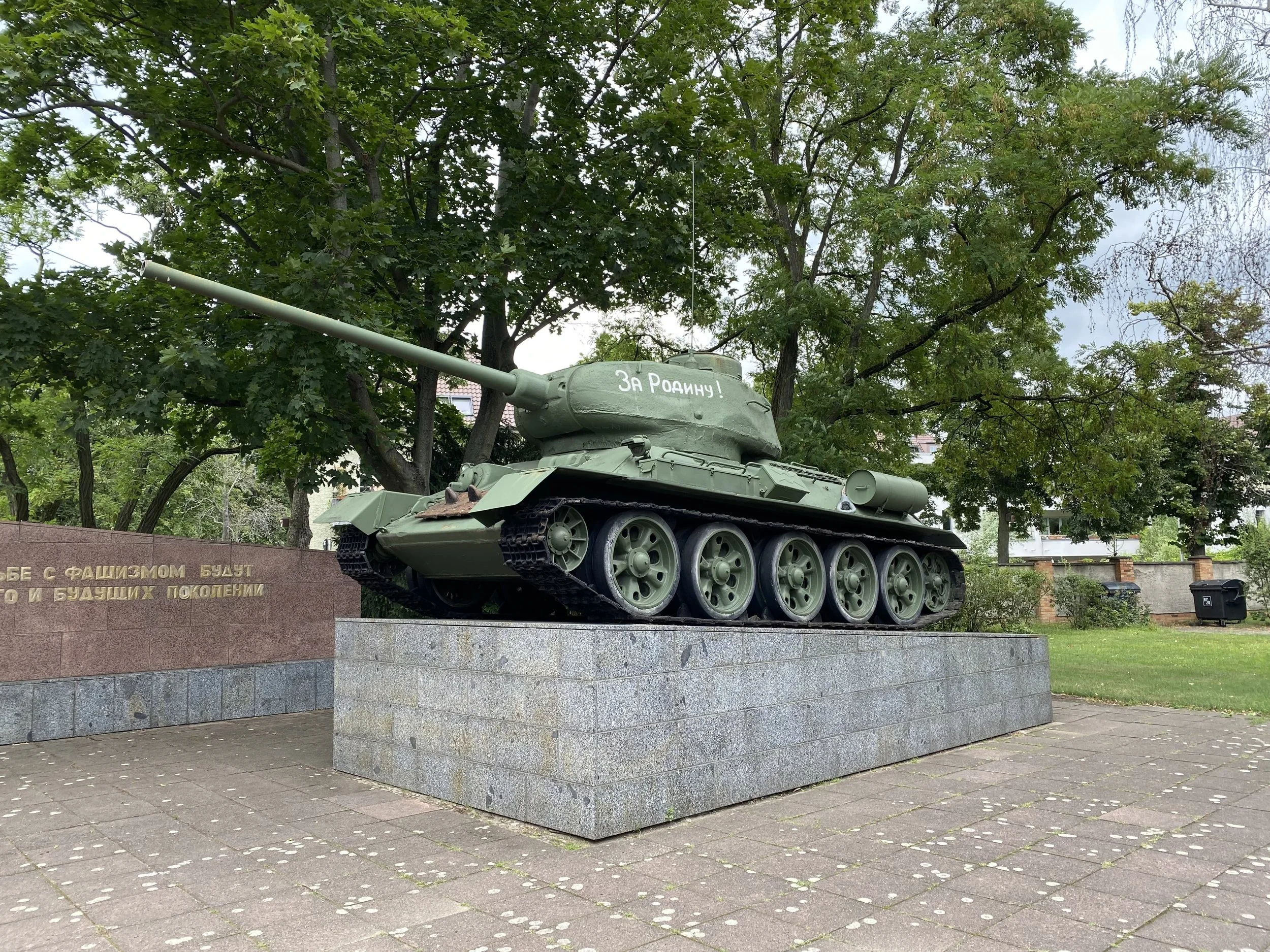
T34/85 on display outside the exhibition

Housed in the building where Germany’s unconditional surrender was signed in 1945, this museum, also known as the German-Russian Museum, focuses on the war between Germany and the Soviet Union. Its location in former East Berlin provides an additional layer of historical context, bridging World War II and the Cold War era.

Key features:

  • Exhibits on the Eastern Front of World War II

  • The room where the surrender was signed

  • Soviet and German military equipment

  • Exhibits and memorials dedicated to the Soviet soldier, highlighting their role and sacrifice

  • Information on the impact of the war on civilians

  • Details on the immediate aftermath of the war and the division of Germany

Museum Berlin-Karlshorst offers a unique perspective on the end of World War II in Europe and the beginning of the Cold War era. By focusing on the often-overlooked Eastern Front, it provides a more complete picture of the war and its devastating impact on both military personnel and civilians. The significance of Soviet memorial sites in Berlin, such as those in Tiergarten, Treptower Park, and Pankow, further commemorates the contributions and sacrifices of the Soviet soldiers during WWII.


Kaiser Wilhelm Memorial Church

Location: Breitscheidplatz, 10789 Berlin Opening hours: Daily, 9:00 AM - 7:00 PM Admission: Free

The church as seen from the main street.

Close-up of the battle damage still visible in the facade

While not primarily a museum, this church, damaged during World War II and preserved as a memorial, houses exhibits on its history and the war's impact. The juxtaposition of the ruined old church and the modern new church provides a powerful visual metaphor for Berlin's destruction and rebirth.

Key features:

  • Preserved ruins of the original church

  • Exhibits on the church's history and wartime destruction

  • Modern chapel integrated with the ruins

  • Information on the bombing of Berlin

  • Details on the decision to preserve the ruins as a memorial

The Kaiser Wilhelm Memorial Church serves as a powerful symbol of both destruction and reconciliation, embodying Berlin's post-war journey. It reminds visitors of the devastating impact of war on cultural heritage and the different ways societies choose to remember and rebuild.


Olympic Stadium

Location: Olympischer Platz 3, 14053 Berlin Opening hours: Daily, 9:00 AM - 7:00 PM (tours available) Admission: €8 for adults, €5 for concessions

The main entrance to the Olympic Stadium

Built for the 1936 Olympics, this stadium played a significant role in Nazi propaganda efforts and was designed by renowned architect Werner March. It has exhibits on its history. The grand scale of the stadium and its architectural features explain the Nazi regime’s use of spectacle and monumentality to impress and intimidate.

Key features:

  • Tours covering the stadium’s Nazi-era history

  • Exhibits on the 1936 Olympics and their political context, including the stadium’s use for propaganda events during the Nazi era

  • Preserved architectural features from the Nazi period

  • Information on the stadium’s post-war use and renovation

  • Details on specific athletes and events from the 1936 Olympics

The Olympic Stadium offers insight into how the Nazi regime used sports and spectacle for political purposes, demonstrating the intersection of politics and culture. It challenges visitors to consider how authoritarian regimes can co-opt cultural events and institutions for propaganda purposes.


German Historical Museum

Location: Unter den Linden 2, 10117 Berlin Opening hours: Daily, 10:00 AM - 6:00 PM Admission: €7 for adults, €3.50 for concessions

The German Historical Museum stands as one of Berlin’s premier destinations for anyone seeking to understand the complexities of World War II and the broader sweep of German history. Located in the heart of central Berlin, this renowned institution offers a comprehensive journey through the country’s past, with a particular emphasis on the events and consequences of the Second World War. The museum’s permanent exhibition features an extensive section dedicated to the Nazi regime, providing visitors with a detailed look at the rise of Adolf Hitler, the mechanisms of Nazi rule, and the devastating impact of World War II on Germany and the rest of Europe.

Through a rich collection of artefacts, original documents, photographs, and personal testimonies, the German Historical Museum sheds light on the experiences of individuals and communities during this turbulent era. Visitors can trace the origins of the Nazi party, witness the unfolding of World War II, and explore the aftermath as Germany grappled with defeat, division, and eventual reunification. The museum also addresses the broader context of the Second World War, examining its effects on German society, the European continent, and the world at large. For those interested in the intersections of war, memory, and national identity, the German Historical Museum is a must-visit destination on any Berlin itinerary.


Other World War II Sites in Berlin

In addition to its renowned museums, Berlin is home to numerous other World War II sites that offer valuable insights into the city’s history. These sites provide a unique perspective on the events of the war and the subsequent division of the city. Visitors can also explore a variety of Cold War sites, such as the Stasi Museum and Berlin Wall Museum, which highlight the city's role during the Cold War period. Many of these locations feature areas known as no man's land, which held historical and symbolic significance as spaces of separation during Berlin's division, further enriching the visitor’s understanding of Berlin’s past.

Berlin Wall Memorial at Bernauer Strasse

The Berlin Wall Memorial at Bernauer Strasse is a must-visit site for anyone interested in World War II and Cold War history. Located at the site of the former Berlin Wall, which divided the city into East and West Berlin, the memorial offers a poignant reminder of the city’s division and the impact of the Cold War on its residents. Checkpoint Charlie, a historic border crossing and now a museum site, is another significant location that highlights the era's tensions and the city's divided past. The memorial features a preserved section of the wall, a museum, and a chapel, providing a comprehensive overview of the wall’s history and significance. Visitors can also see the last remaining watchtower and a reconstructed section of the wall, offering a glimpse into how it looked during the Cold War.

Peering through the Berlin Wall.


The nearby Brandenburg Gate stands as a symbol of both division and reunification, playing a central role during the Cold War and German reunification. The East Side Gallery, an iconic section of the Berlin Wall, is renowned for its artistic murals and status as the longest open-air gallery, commemorating the wall's historical and cultural significance. The Berlin Wall Memorial at Bernauer Strasse is a powerful testament to the city’s turbulent history and a vital site for understanding the broader context of World War II and its aftermath, especially the significance of the moment when the Berlin Wall fell in 1989.

Tips for Visiting Berlin’s World War II Museums

To make the most of your exploration of Berlin’s World War II museums and memorials, a bit of planning goes a long way. Consider investing in a Berlin Museum Pass, which grants you access to many of the city’s top cultural attractions, including the German Historical Museum, the Jewish Museum, and the impressive Museum Island complex. This pass not only saves you money but also streamlines your experience, allowing you to skip lines at some of the most popular World War II sites.

It’s wise to map out your itinerary in advance, as some museums—especially those with high visitor numbers or special exhibitions—may require reservations or have limited opening hours. Guided tours are highly recommended for history buffs, as they provide expert insights into the significance of each site and help contextualise the exhibits within the broader narrative of World War II and Berlin’s history. Whether you’re delving into the archives of the German Historical Museum, reflecting at the Jewish Museum, or exploring the treasures of Museum Island, a little preparation ensures a richer, more meaningful visit to Berlin’s WWII landmarks.

Planning Your Trip

When organising your journey to Berlin’s World War II sites, timing and preparation are key. The city is vibrant year-round, but the best months for visiting are typically from May to September, when the weather is pleasant and outdoor memorials are most accessible. If your interests include specific World War II or World War I events, consider aligning your trip with significant anniversaries, such as the construction of the Berlin Wall or the liberation of Sachsenhausen concentration camp. These dates often feature special exhibitions, commemorative ceremonies, and unique opportunities to engage with Berlin’s living history.

Before you set out, be sure to check the opening hours and ticketing policies for each concentration camp, museum, or memorial on your list, as they can vary by season and may be affected by public holidays or special events. Planning ahead ensures you won’t miss out on key experiences and allows you to make the most of your time exploring the city’s World War II heritage.

Best Times to Visit

The ideal time to explore Berlin’s World War II museums and memorials is during the spring and summer, when the city’s parks and open-air sites are at their most inviting. These months offer longer daylight hours, making it easier to fit multiple World War II attractions into your day. However, if you prefer a quieter, more contemplative atmosphere, the winter months can be equally rewarding. Visiting during the off-season means fewer crowds and a more sombre ambience, which can be particularly fitting for sites of remembrance and reflection.

Regardless of when you visit, it’s important to check the current opening hours for each museum or memorial, as some may operate on reduced schedules during the colder months or close temporarily due to weather conditions. A quick look at the attraction’s website or a phone call ahead of time will help you plan your visit and avoid any surprises.

Ticketing and Reservations

Many of Berlin’s World War II museums and memorials offer free or reduced admission, especially for students, seniors, and groups, making it accessible for all visitors to engage with the city’s history. However, some of the most popular attractions may require advance reservations or have limited capacity, particularly during peak travel seasons. To streamline your experience, consider purchasing the Berlin Welcome Card, which includes free or discounted entry to numerous museums and unlimited use of public transportation throughout the city.

You can buy the Berlin Welcome Card online or at tourist information centres, train stations, and participating museums. Always check the official website of each World War II site for the latest ticketing information and to secure your reservation in advance. This is especially important for high-demand locations or special exhibitions, ensuring you won’t miss out on any of Berlin’s essential WWII experiences.

Conclusion: Preserving Memory, Promoting Understanding

Berlin’s World War II museums collectively offer a profound and multifaceted exploration of one of history’s darkest chapters. From the grand institutions to the intimate memorial sites, each venue contributes to a fuller understanding of the war, its causes, and its far-reaching consequences.

These museums serve several crucial functions:

  1. Education: They provide factual information about the war, the Holocaust, and the Nazi regime, ensuring that future generations understand the realities of this period.

  2. Remembrance: By preserving artefacts, stories, and sites, they honour the victims and ensure that their experiences are not forgotten.

  3. Warning: Many of these museums explicitly connect historical events to contemporary issues, serving as a warning against the dangers of authoritarianism, racism, and antisemitism.

  4. Reflection: They encourage visitors to consider complex moral questions and reflect on individual and societal responsibilities in the face of injustice.

  5. Reconciliation: By honestly confronting the past, these institutions contribute to Germany’s ongoing process of coming to terms with its history.

Visiting these museums can be an emotionally challenging experience, but it is also a deeply enriching one. They offer not just a window into the past but a mirror in which we can examine our present and consider our future. In a world where the lessons of history are all too often forgotten, Berlin’s World War II museums stand as vital guardians of memory and promoters of understanding.

As you plan your visit to Berlin, consider incorporating several of these museums into your itinerary. Each offers a unique perspective, and together they provide a comprehensive view of this critical period in history. By engaging with these sites, you contribute to the ongoing work of remembrance and education, helping to ensure that the lessons of the past continue to inform our present and shape our future. Additionally, Museum Island serves as a significant cultural and historical hub in Berlin, highlighting its various museums and their poignant connections to the city’s past. As one of the most prominent cities within the European Union, Berlin’s influence extends across Europe, underscoring its importance as a major cultural and historical centre in the EU.


Matthew Menneke

This article was written by Matthew Menneke. 

Matt is the founder and guide of 'On the Front Tours', offering military history tours in Berlin. Born in Melbourne, Australia, Matt's passion for history led him to serve in the Australian Army Reserve for eight years. With a degree in International Politics and a successful sales career, he discovered his love for guiding while working as a tour guide in Australia. Since moving to Berlin in 2015, Matt has combined his enthusiasm for history and guiding by creating immersive tours that bring the past to life for his guests.


Read More
Matthew Menneke Matthew Menneke

The Ultimate Berlin Travel Guide for First-Time Visitors

Insider tips on the best times to visit, how to navigate the city like a pro, and which neighbourhoods to explore to soak up Berlin's unique vibe.

If you're planning your first trip to Berlin, you might feel overwhelmed. From navigating the public transportation system to choosing the best neighbourhoods to explore, there's a lot of information to digest. And that's not even considering all the incredible sights, museums, restaurants, and nightlife options.

But don't worry—I'm here to help! I have been lucky enough to live in Berlin for the last nine years and have learned the secrets to making the most of your trip. Whether you're going for a long weekend or a full week, this guide will cover all the essential travel tips that first-time visitors to Berlin need to know.

From the best ways to get around the city to insider advice on where to find the most delicious food, I've got you covered. I want to help you have an unforgettable trip to one of Europe's most exciting cities.

So pack your bags and get ready for an adventure as we dive into this ultimate Berlin travel guide!

Table of Contents

  1. The Ultimate Berlin Travel Guide for First-Time Visitors

  2. Key Tips to Know Before You Go

  3. When to Visit Berlin

  4. Getting Around Berlin

  5. Where to Stay in Berlin

  6. What to See & Do in Berlin

  7. Eating & Drinking in Berlin

  8. Must-Try German Beers in Berlin

  9. Experiencing Berlin's Legendary Nightlife

  10. Exploring Berlin's Vibrant and Diverse LGBTQ+ Scene

  11. 3-Day Berlin Itinerary

  12. Know Before You Go

  13. Essential German Phrases for Travelers


Key Tips to Know Before You Go

  1. Berlin is a sprawling city, so group your activities by location to minimize travel time

  2. The public transportation system is extensive and easy to use once you get the hang of it

  3. Many places prefer cash over credit cards, so always carry some euros on you

  4. Most shops, supermarkets and some restaurants are closed on Sundays

  5. Drinking alcohol in public is legal, and Berlin's nightlife is legendary - pace yourself!


When to Visit Berlin

The best time to visit Berlin depends on your preferences and interests. If you want to avoid the crowds and save money, consider visiting during the shoulder seasons of fall or early spring. You'll trade ideal weather for cheaper hotel rates and shorter lines at popular attractions.

Summer is peak season, especially in July and August. The weather is warm and perfect for outdoor dining and drinks. However, that means bigger crowds, higher prices, and the need to book accommodations well in advance.

If you don't mind chilly temperatures, December is a magical time to visit Berlin's famous Christmas markets. And for foodies and night owls, the long summer days provide plenty of daylight for sightseeing and plenty of darkness for partying at Berlin's iconic clubs.

Berlin's Weather by Month

Berlin experiences a temperate climate with distinct seasons, each offering a different vibe and range of activities. Here's what you can expect weather-wise each month:

  • January: Cold and often snowy, with average highs around 3°C (37°F) and lows of -2°C (28°F).

  • February: Still chilly with a chance of snow, average highs of 4°C (39°F) and lows around -2°C (28°F).

  • March: The start of spring brings milder weather, with highs of 9°C (48°F) and lows of 1°C (34°F).

  • April: Temperatures rise with highs of 15°C (59°F) and lows of 4°C (39°F), and the city starts to bloom.

  • May: Pleasantly warm with highs of 20°C (68°F) and lows of 9°C (48°F), perfect for outdoor activities.

  • June: The start of summer with longer days, highs of 22°C (72°F) and lows of 12°C (54°F).

  • July: The warmest month, with highs of 25°C (77°F) and lows of 14°C (57°F), ideal for festivals and open-air events.

  • August: Similar to July, with highs of 24°C (75°F) and lows of 14°C (57°F), and the occasional thunderstorm.

  • September: The beginning of fall, with highs of 19°C (66°F) and lows of 10°C (50°F), and less rainfall.

  • October: Cooler with colourful autumn leaves, highs of 13°C (55°F) and lows of 6°C (43°F).

  • November: Chilly and often overcast, with highs of 7°C (45°F) and lows of 2°C (36°F).

  • December: Cold with festive Christmas markets, highs of 3°C (37°F) and lows around -1°C (30°F).

Remember, these are averages, and the weather can be unpredictable, so it's always a good idea to check the forecast before your trip and pack accordingly.


Getting Around Berlin

Public Transportation

Berlin has a fantastic public transportation system called the BVG. It's an integrated network of trains, trams, buses and ferries that can get you anywhere you need to go. Key things to know:

  • Different types of trains: The U-Bahn are mostly underground subways, while the S-Bahn are largely above ground.

  • Fare zones: Berlin is divided into A, B and C zones. Most of the top attractions are in zone A. Tickets that cover zones A and B (AB tickets) are most common for visitors.

  • Ticket validation: You must always validate your ticket by stamping it at the station or on the bus/tram. There are no turnstiles or barriers, and inspectors can ask to see your ticket anytime.

  • Useful app: Download the BVG app. I use it to buy tickets. Google Maps is still the best for point-to-point directions.

Biking & Scooters

Berlin is an extremely bike-friendly city, with well-marked bike lanes on most major streets. Renting a bike is an excellent way to explore neighbourhoods and see the sights at your own pace. Rentals start around 8-12 euros per day. I love using the scooter-sharing programs. Tier and Voi are my preferred companies.

Taxis & Rideshares

Taxis and rideshares like Uber are widely available but only sometimes necessary, given the excellent public transit. Taxis can be hailed on the street, at a taxi stand, or ordered via the Free Now app. Fares start at 4 euros and cost around 2 euros per kilometre.


Where to Stay in Berlin

Berlin has many great neighbourhoods to stay in, each with its own distinct personality and advantages. If it's your first time, aim to stay within the Ringbahn - the circular S-Bahn line that bounds the city centre. Here are some of the most popular areas:

  • Mitte: Very central and convenient to top sights like Museum Island and the Reichstag. Mitte has many luxury and boutique hotels but limited budget options. Good for sightseeing and upscale dining/shopping.

  • Kreuzberg & Friedrichshain: Known for alternative vibes, street art, international cuisine, and nightlife. More affordable options are available here. Good for foodies, clubbers, and experiencing Berlin's counterculture.

  • Prenzlauer Berg: A family-friendly area full of cute cafes and unique shops. Has a relaxed, residential feel while still being close to the centre. Good for a low-key stay and neighborhood exploring.

  • Charlottenburg: Elegant area in the west with high-end shopping along Kurfürstendamm and around Savignyplatz. Home to Charlottenburg Palace. Good for a refined atmosphere and luxury hotels.

For the best deals, book well in advance - especially for summer and December. Berlin has a wide range of accommodations, from budget hostels to five-star hotels. Expect to pay at least 100 euros per night for a well-located mid-range hotel room.

Areal photo of Berlin


Berlin Welcome Card. A great way to find discounts

What to See & Do in Berlin

Top Attractions

  • Brandenburg Gate: The iconic monument and symbol of Berlin. Formerly part of the Berlin Wall, now represents unity.

  • Reichstag: Germany's parliament building topped by a glass dome with 360-degree city views. Free to visit with advance registration.

  • East Side Gallery: The longest preserved section of the Berlin Wall, covered in murals and street art. Runs along the Spree River.

  • Museum Island: A complex of five world-renowned museums, including the Pergamon. A UNESCO World Heritage site.

  • Checkpoint Charlie: The most famous crossing point between East and West Berlin during the Cold War. Now a tourist hotspot.

  • Memorial to the Murdered Jews of Europe: Also known as the Holocaust Memorial. A sombre, thought-provoking maze of concrete slabs.

  • Charlottenburg Palace: The largest palace in Berlin, dating to the 1600s. Lavish interiors and expansive gardens.

  • Tempelhof Field: A former airport turned public park, popular for picnics, kite flying, and cycling down the old runways.

Unique Experiences

  • Take a street art tour to learn about Berlin's famous urban art scene and see ever-changing murals.

  • Visit an abandoned spy station at Teufelsberg, built on top of a man-made hill constructed from WWII rubble.

  • Sing karaoke in Mauerpark on Sundays and browse the popular flea market.

  • Relax at a beach bar along the Spree River, like Holzmarkt or YAAM

  • Get a taste of Berlin's legendary nightlife at a club like Berghain, Watergate, or Sisyphos.

  • Tour a WWII bunker or Cold War nuclear fallout shelter with Berliner Unterwelten.

  • Rent a kayak and paddle through the city centre on the Landwehr Canal.


Eating & Drinking in Berlin

Berlin is a foodie paradise with an extremely diverse and international dining scene. You can find everything from cheap street eats to Michelin-starred restaurants here. Some iconic Berlin dishes to try:

  • Currywurst: Fried pork sausage topped with curry-spiced ketchup, often served with fries. Get it from a street kiosk like Konnopke's Imbiss or Curry 36.

  • Döner kebab: Berlin's ultimate street food. A Turkish-style sandwich of meat carved from a rotating spit stuffed into bread with veggies and sauce. The best are in Kreuzberg and Neukölln.

  • Berliner Pfannkuchen: A jelly-filled doughnut topped with powdered or regular sugar. Basically the official pastry of Berlin.

For a quintessential Berlin dining experience, head to a Kneipe - a cosy neighbourhood pub serving hearty German food. Or grab a bratwurst or pretzel at a Biergarten on a sunny day. Berlin also has a fantastic international food scene, with tons of great Vietnamese, Middle Eastern, Italian, and fusion restaurants.

When it comes to nightlife, Berlin is hard to beat. It's most famous for its gritty electronic music clubs, many of which are open from Friday night straight through to Monday morning. Partying is taken very seriously here. But there's something for everyone, from classy cocktail bars to punk dive bars to laid-back breweries. Some top nightlife districts include:

  • Kreuzberg: The heart of Berlin's counterculture, home to countless bars, cafes, and clubs. Known for punk, hip-hop, and LGBTQ+ venues. Try Fahimi Bar, Würgeengel, or SO36.

  • Friedrichshain: Another alternative area popular with students and artists. Check out Hops & Barley for craft beer or Berghain/Panorama Bar for the most famous club in Berlin.

  • Prenzlauer Berg: A bit more upscale, with wine bars and cocktail lounges amidst indie boutiques. Becketts Kopf and Wohnzimmer are popular spots.

  • Neukölln: An up-and-coming area in the south with lots of hidden gems. Explore the bars along Weserstrasse and Hobrechtstrasse.


Must-Try German Beers in Berlin

No visit to Berlin is complete without sampling some of Germany's world-famous beers. Here are a few local brews you shouldn't miss and the best places to try them:

Types of Berlin Beers

  • Berliner Weisse: A tart, low-alcohol wheat beer often mixed with fruit syrup. Enjoy one on tap at Prater Garten, Berlin's oldest beer garden.

  • Pilsner: For a crisp, golden pilsner, head to Brauhaus Lemke, a sprawling brewery and beer hall.

  • Schwarzbier: This dark lager has a light, malty flavor. Try one at Brauhaus Südstern, a cosy neighbourhood brewpub.

  • Kellerbier: An unfiltered lager served straight from the cask. Klosterbrauerei Neuzelle offers a great version in a historic monastery setting.

Where are Berlin's Best Breweries?

  1. Berliner Weisse at Prater Garten: This tart, low-alcohol wheat beer is a Berlin speciality. It's often mixed with fruit syrup to balance the sourness. Enjoy one on tap at Prater Garten, Berlin's oldest beer garden, dating back to 1837.

  2. Pilsner at Brauhaus Lemke: For a crisp, golden pilsner, head to Brauhaus Lemke, a sprawling brewery and beer hall. Their Lemke Original Pils is a classic example of the style.

  3. Schwarzbier at Brauhaus Südstern: Schwarzbier is a dark lager with a light body and subtle malty flavour. Try one at Brauhaus Südstern, a cosy neighbourhood brewpub in Kreuzberg.

  4. BRLO Brwhouse offers a diverse range of craft beers, including their flagship German Pale Ale, Helles, Berliner Weisse, and seasonal specials. It emphasizes quality using organic ingredients and producing beers that are vegan-friendly and sustainable.

  5. Brauhaus Georgbräu, situated in Berlin's historical Nikolaiviertel, offers a spacious and charmingly decorated venue on the bank of the river Spree. In a quintessential Berlin setting, patrons can enjoy GEORG-Pils directly from the tap, with a choice of dark or light beers available.


Experiencing Berlin's Legendary Nightlife

Berlin's nightlife is legendary, pulsating with an energy that attracts party-goers from all over the world. The city is home to some of the most famous clubs on the planet, each with its own unique atmosphere and style.

Iconic Clubs

  • Berghain: A former power plant turned nightclub, known for its world-class techno beats and notoriously strict door policy. Getting past the bouncers is a challenge in itself, but once inside, you'll find yourself in a massive, industrial space with multiple dance floors and a vibe that's both gritty and electric.

  • Tresor: A pioneer in the techno scene that's been going strong since the early 90s. Housed in an old power plant, Tresor is a labyrinth of dark, cavernous rooms where you can lose yourself in the music until the early hours of the morning.

  • Watergate: Offers stunning views of the River Spree along with its pulsing dance floors. The open-air terrace is the perfect place to catch your breath and watch the sunrise over the city.

  • Sisyphos: A sprawling club complex featuring multiple dance floors, chill-out areas, and even an outdoor beach. It's a playground for the adventurous, with a laid-back vibe that encourages you to explore and let loose.

Tips for Getting In

Getting into these exclusive spots can be a challenge. To increase your chances:

  • Arrive early (before midnight)

  • Dress to blend in with the club's vibe (often a casual, understated look)

  • Be patient and respectful with the door staff

  • Avoid speaking loudly or causing a scene in line

  • Travel in small groups (no more than 4-5 people)


Embracing the Experience

Once you're inside, embrace the experience and let yourself get lost in the music. Berlin's clubs are known for their lengthy sets (often lasting 6+ hours), so pace yourself and take breaks when you need to.

Most importantly, respect the other clubbers and the space itself. Berlin's club culture is built on a foundation of inclusivity, consent, and mutual respect, so be mindful of your actions and treat others with kindness.

If you approach Berlin's nightlife with an open mind and a sense of adventure, you'll find yourself immersed in a world unlike any other. The city's clubs are not just places to dance and party – they're communities where people from all walks of life come together to celebrate music, art, and self-expression.

So dive in, let loose, and experience the magic of Berlin's legendary club scene for yourself.


Exploring Berlin's Vibrant and Diverse LGBTQ+ Scene

Berlin has long been known as one of the most LGBTQ+-friendly cities in the world, and for good reason. The city boasts a vibrant, diverse, and inclusive queer community that is woven into the fabric of its culture. From traditional gay neighborhoods to up-and-coming areas popular with queer creatives, Berlin offers a wealth of options for LGBTQ+ visitors to explore. Here are some top spots and events to check out:

  • Schöneberg: Historically the heart of Berlin's gay scene, Schöneberg is a must-visit for any LGBTQ+ traveller. The neighbourhood is packed with queer-friendly bars, clubs, cafes, and shops, particularly around Nollendorfplatz and Motzstraße. Don't miss iconic institutions like Hafen, one of Berlin's oldest gay bars; Heile Welt, a cozy pub with a welcoming atmosphere; or SchwuZ, a legendary club that hosts regular queer parties and events.

  • Neukölln: In recent years, the trendy neighbourhood of Neukölln has emerged as a hub for queer artists, creatives, and activists. The area has a more laid-back and alternative vibe compared to Schöneberg, with plenty of queer-owned businesses and community spaces. Head to The Club for indie queer parties, Silver Future for drag shows and performances, or Buttons for a relaxed drink with friendly locals.

  • Friedrichshain: Located in former East Berlin, Friedrichshain is known for its gritty, alternative nightlife scene, which includes several iconic queer and fetish venues. The most famous is undoubtedly Berghain/Panorama Bar, a massive club housed in a former power plant that is notorious for its strict door policy and hedonistic parties. Other popular spots include Suicide Circus, a queer techno club, and Mobel Olfe, a kitschy bar that draws a mixed crowd.

In addition to its year-round offerings, Berlin also hosts some of the biggest and most exciting LGBTQ+ events in Europe:

  • Christopher Street Day, held annually in July, is one of the largest pride celebrations in the world, attracting over a million participants for a colorful parade, performances, and parties.

  • Folsom Europe in September is Europe's largest gay fetish event, featuring street fairs, club nights, and kinky festivities.

  • For those visiting in the spring, Easter Fetish Week offers a packed program of fetish parties and events catering to a variety of tastes and interests.

No matter when you visit or what you're into, Berlin's LGBTQ+ scene has something for everyone. So come and experience the energy, creativity, and inclusivity that make this city such a beloved destination for queer travelers from around the globe.


3-Day Berlin Itinerary

Day 1: Mitte & Museum Island

  • Morning: Start at Alexanderplatz and snap a photo with the World Time Clock. Walk down Unter den Linden boulevard to Museum Island, stopping by Bebelplatz and Gendarmenmarkt squares.

  • Afternoon: Explore the Pergamon Museum and Neues Museum on Museum Island. Then head to the somber Memorial to the Murdered Jews of Europe and the iconic Brandenburg Gate.

  • Evening: Walk through the government quarter to see the Reichstag. End the day with a sunset drink at the Reichstag rooftop terrace or the TV Tower bar.

Day 2: Kreuzberg & Friedrichshain

  • Morning: Head to the East Side Gallery to see the famous murals on the Berlin Wall. Then cross the Oberbaum Bridge to explore the street art and indie shops in Kreuzberg.

  • Afternoon: Grab lunch at a Turkish restaurant or street food market like Markthalle Neun. Relax in Görlitzer Park or go vintage shopping along Oranienstrasse.

  • Evening: Take an evening food tour to sample Berlin's diverse cuisine. Then go bar hopping in Kreuzberg or Friedrichshain, or hit a club if you're up for a big night out.


Day 3: Charlottenburg & Tiergarten

  • Morning: Visit Charlottenburg Palace and stroll through its baroque gardens. Then, head to the nearby Käthe Kollwitz Museum to see an impressive collection of her works.

  • Afternoon: Shop along Kurfürstendamm, Berlin's famous retail boulevard. Don't miss the Kaiser Wilhelm Memorial Church, which was damaged in WWII. End at the Berlin Zoo or Tiergarten park.

  • Evening: Enjoy a classic German dinner at a Kneipe or beer hall. Then, catch a show at the Deutsche Oper or enjoy skyline views from the Monkey Bar.

Of course, there's much more to see and do in Berlin - this is just a sample! Use this itinerary as a starting point and customize it to fit your interests. No matter what you choose, Berlin is sure to leave a lasting impression.


Know Before You Go

  • Language: German is the official language, but most people in the tourism industry speak English. Signs and museum exhibits almost always have English translations.

  • Money: Germany uses the euro, and cash is still preferred over credit cards in many establishments. Always carry some cash for small purchases, street food, and tips.

  • Tipping: Tipping is appreciated but not mandatory. Round up the bill 5-10% at restaurants and bars. Tip: 1-2 euros per bag for porters and a few euros for tour guides.

  • Safety: Berlin is generally a very safe city, even at night. Take normal precautions like being aware of pickpockets in busy, touristy areas. Violent crime is rare - but always keep your wits about you.

  • Getting there: Berlin Brandenburg (BER) is the city's main international airport. You can reach the city centre in under 45 minutes via Airport Express trains, S-Bahn, regional trains, or bus.


Essential German Phrases for Travelers

  • Hello: Hallo (HAH-loh)

  • Goodbye: Auf Wiedersehen (owf VEE-dehr-zay-en)

  • Please: Bitte (BIH-teh)

  • Thank you: Danke (DAHN-keh)

  • You're welcome: Bitte schön (BIH-teh shurn)

  • Yes: Ja (yah)

  • No: Nein (nine)

  • Excuse me: Entschuldigung (ent-SHOOL-dee-gung)

  • I don't understand: Ich verstehe nicht (ikh fer-SHTAY-eh nikht)

  • Do you speak English?: Sprechen Sie Englisch? (SHPREH-khen zee ENG-lish?)

  • Where is the bathroom?: Wo ist die Toilette? (voh ist dee twah-LEH-teh?)

  • Check, please: Die Rechnung, bitte (dee REHKH-noong BIH-teh)

  • How much is this?: Wie viel kostet das? (vee feel KOS-tet dahs?)

  • I would like...: Ich möchte... (ikh MERKH-teh...)

  • Cheers/Goodbye: Tschüss (chooss)

With a bit of planning and insider knowledge, you're sure to have an incredible first trip to Berlin. Enjoy soaking up the history, culture, and cool factor of this one-of-a-kind city. Gute Reise!


The article was written by Matthew Menneke. 

Matt is the founder and guide of 'On the Front Tours', offering military history tours in Berlin. Born in Melbourne, Australia, Matt's passion for history led him to serve in the Australian Army Reserve for eight years. With a degree in International Politics and a successful sales career, he discovered his love for guiding while working as a tour guide in Australia. Since moving to Berlin in 2015, Matt has combined his enthusiasm for history and guiding by creating immersive tours that bring the past to life for his guests.


Read More
Matthew Menneke Matthew Menneke

Top 10 Family-Friendly Activities in Berlin (Updated 2024)

From dinosaurs and stargazing to thrilling adventures and enchanting parks. Plan your perfect family trip to Berlin.

Berlin, the vibrant capital of Germany, is a city that seamlessly blends rich history, diverse culture, and modern charm, making it an ideal destination for families seeking adventure, education, and unforgettable memories. With its abundance of museums, parks, and interactive experiences, Berlin offers a wealth of activities that cater to every family member's interests and passions. Whether you're exploring the mysteries of the universe, stepping back in time to witness history come alive, or simply enjoying a stroll through lush green spaces, Berlin promises a journey filled with wonder and excitement. In this post, we'll unveil the top 10 family-friendly activities that showcase the best of what this magnificent city has to offer.


1. Embark on a Journey Through German Culture at the Deutschlandmuseum

Deutschlandmuseum

The Deutschlandmuseum in Berlin offers families a captivating exploration of German culture, history, and identity. Through interactive exhibits and engaging displays, visitors can immerse themselves in the country's vibrant artistic scene, marvel at its scientific and technological achievements, and gain insight into the everyday lives of Germans throughout history. From expressionist masterpieces to cutting-edge innovations, the museum celebrates the boundless creativity and ingenuity of the German people. Visitors can step into reconstructed living spaces, try traditional crafts, and sample regional cuisines, gaining a deeper understanding and appreciation of Germany's complex and fascinating heritage.

The Deutschlandmuseum serves as testimony to the resilience and spirit of the nation, offering families a unique opportunity to connect with Germany's rich culture and history. Whether you're a history buff, an art enthusiast, or simply curious about the world, the Deutschlandmuseum promises an enlightening and engaging experience for all.


2. Embark on a Prehistoric Journey at the Museum für Naturkunde

Museum für Naturkunde

Step into a world where ancient giants roam and the secrets of our planet are revealed at the Museum für Naturkunde (Natural History Museum). As one of Berlin's most beloved attractions, this museum is a must-visit for families with curious minds and a thirst for knowledge. The undisputed star of the show is the colossal Brachiosaurus skeleton, the largest dinosaur exhibit in the world, which towers over visitors and ignites the imagination of both young and old.

The wonders don't stop there; the museum's extensive collection spans the realms of zoology, paleontology, and mineralogy, offering a comprehensive look at the diverse tapestry of life on Earth. From interactive displays that allow children to unearth fossils to captivating exhibitions on the evolution of species, the Museum für Naturkunde is an immersive educational experience that will leave your family in awe of the natural world.


3. Embark on a Wildlife Adventure at the Berlin Zoological Garden

Get ready to embark on a thrilling wildlife adventure at the Berlin Zoological Garden, the oldest and most renowned zoo in Germany. With over 19,000 animals from around the globe, spanning more than 1,300 species, this zoological wonderland offers an unparalleled opportunity to witness the diversity and beauty of the animal kingdom. As you wander through the meticulously crafted habitats, you'll come face to face with majestic African lions, playful giant pandas, and inquisitive orangutans, each with their unique charm and personality.

The zoo's commitment to conservation and education shines through in its informative displays and engaging keeper talks, allowing families to gain a deeper appreciation for the incredible creatures that share our planet. The Berlin Zoological Garden provides the perfect setting for family bonding and discovery with lush gardens, picturesque walkways, and ample picnic areas.


4. Unleash Creativity and Fun at FEZ-Berlin

FEZ-Berlin is an absolute must-visit for families seeking a day full of hands-on fun and creative exploration. As Europe's largest non-profit children's, youth, and family centre, FEZ-Berlin offers an unparalleled array of activities and experiences that cater to every interest and age group. From splashing around in the indoor swimming pools and navigating thrilling obstacle courses to unleashing artistic talents in various workshops, there's never a dull moment at this sprawling entertainment complex.

The centre's commitment to fostering learning through play is evident in its innovative educational programs, which cover topics ranging from science and technology to the performing arts. Whether your family is in the mood for a high-energy adventure or a more relaxed creative pursuit, FEZ-Berlin has something to offer, ensuring a day filled with laughter, bonding, and unforgettable memories.


5. Escape to Nature's Embrace at Tiergarten Park

Tiergarten Park

In the heart of Berlin lies a lush oasis that beckons families to escape the urban bustle and immerse themselves in the tranquillity of nature. Tiergarten, the city's most beloved park, is a sprawling green haven that offers endless opportunities for relaxation, recreation, and exploration. Pack a picnic basket, spread out a blanket on the soft grass, and enjoy quality time together as you soak in the park's serene atmosphere.

For those feeling more adventurous, Tiergarten's winding paths and scenic trails are perfect for a leisurely bike ride or a fun-filled family scavenger hunt. Along the way, you'll encounter charming playgrounds, where children can let their imaginations run wild, and the iconic Victory Column. This historical landmark offers breathtaking views of the surrounding cityscape. Keep an eye out for the park's resident wildlife, including squirrels, rabbits, and various bird species, which add to the enchanting natural ambience.


6. Reach for the Stars at Planetarium am Insulaner

Prepare to be transported to the farthest reaches of the universe at Planetarium am Insulaner, where the wonders of the cosmos come to life before your eyes. This state-of-the-art facility offers an immersive and awe-inspiring experience that combines cutting-edge technology with the timeless fascination of stargazing.

As you settle into the comfortable seats beneath the expansive dome, you'll be treated to breathtaking visuals that showcase the majesty of the night sky, the intricate dance of celestial bodies, and the mind-bending scale of the universe. With shows tailored for both children and adults, the Planetarium am Insulaner makes the complexities of astronomy accessible and engaging for all ages. From learning about the constellations and the myths behind them to exploring the latest discoveries in space exploration, this celestial adventure is sure to ignite a lifelong passion for the cosmos in your family.


7. Conquer New Heights at MountMitte

For families craving a dose of adrenaline and adventure, MountMitte offers an exhilarating high-rope experience right in the heart of Berlin. This urban oasis of thrills and challenges is perfect for families looking to push their limits, build confidence, and create lasting memories together. Safely secured in harnesses, you'll navigate a series of elevated obstacles, zip lines, and bridges, each designed to test your agility, balance, and teamwork. As you conquer each element, you'll feel a sense of accomplishment and pride that can only come from stepping outside your comfort zone. MountMitte's expert instructors are on hand to provide guidance, encouragement, and a healthy dose of humour, ensuring that everyone in the family feels supported and empowered throughout the experience. Whether you're a seasoned adventurer or a first-time thrill-seeker, MountMitte promises an unforgettable day of family bonding and personal growth.


8. Marvel at Science and Technology at the Deutsches Technikmuseum

Step into a world where innovation, ingenuity, and scientific discovery converge at the Deutsches Technikmuseum (German Museum of Technology). This renowned institution is a treasure trove of knowledge and wonder, offering families an immersive journey through the fascinating history of human achievement. From the earliest modes of transportation, such as horse-drawn carriages and steam locomotives, to cutting-edge advancements in aerospace and computer technology, the museum's extensive collection showcases the evolution of human ingenuity.

Interactive exhibits and hands-on displays bring the world of science and technology to life, allowing children to explore the principles of physics, chemistry, and engineering in a fun and engaging way. Whether you're marvelling at the intricacies of vintage aircraft engines or experimenting with the latest in renewable energy technology, the Deutsches Technikmuseum is a playground for curious minds and a testament to the boundless potential of human innovation.


9. Indulge in a Moment of Relaxation at Café Kiezkind

Amidst the excitement and adventure of exploring Berlin, it's important to take a moment to unwind and recharge as a family. Café Kiezkind, nestled in the charming neighbourhood of Prenzlauer Berg, offers the perfect respite for parents and children alike. This cozy and inviting café combines the comfort of a welcoming living room with the convenience of a kid-friendly play area, creating a space where families can relax, connect, and enjoy each other's company.

As parents savour a delicious cup of artisanal coffee or indulge in a tasty homemade pastry, children can let their imaginations run wild in the café's dedicated play corner, complete with a sandbox, toys, and games. The café's warm atmosphere and friendly staff embody the spirit of Berlin's family-friendly culture, making it the perfect spot to take a break, recharge, and create cherished memories together.


10. Step into a World of Enchantment at Märchenbrunnen

Märchenbrunnen

No family trip to Berlin would be complete without a visit to the magical Märchenbrunnen (Fairy Tale Fountain) in Volkspark Friedrichshain. This enchanting spot brings the beloved stories of the Brothers Grimm to life through a series of intricately crafted sculptures and water features. As you wander through the park's lush surroundings, you'll encounter the familiar faces of Snow White, Hansel and Gretel, and other cherished fairy tale characters, each immortalized in bronze and stone. The gentle sound of flowing water and the whimsical atmosphere create a sense of wonder and enchantment that captivates visitors of all ages. Sit on one of the nearby benches, let your imagination soar, and share your favourite fairy tales with your loved ones. The Märchenbrunnen reminds us of the power of storytelling and the magic that can be found in the most unexpected places.


Conclusion

Berlin, with its rich tapestry of history, culture, and natural beauty, is a city that invites families on a journey of discovery, adventure, and boundless creativity. From the awe-inspiring exhibits at world-renowned museums to the thrilling challenges of high-rope courses and the tranquillity of lush green spaces, the German capital offers an unparalleled array of family-friendly activities that cater to every interest and age group.

Whether you're marvelling at the colossal dinosaur skeletons at the Museum für Naturkunde, unravelling the complexities of Germany's past at the Deutsches Historisches Museum, or reaching for the stars at the Planetarium am Insulaner, Berlin promises an unforgettable experience that will leave your family inspired, enlightened, and eager to explore more.

As you navigate Berlin's vibrant streets, you'll encounter friendly faces, welcoming atmospheres, and a deep appreciation for the joys of family time.

So pack your bags, gather your loved ones, and set out on an extraordinary adventure in this captivating city. Berlin awaits, ready to embrace your family with open arms and show you the magic, wonder, and endless possibilities that lie within its borders.

Get ready to discover, learn, and grow together!


  • The article was written by Matthew Menneke. 

Matt is the founder and guide of 'On the Front Tours', offering military history tours in Berlin. Born in Melbourne, Australia, Matt's passion for history led him to serve in the Australian Army Reserve for eight years. With a degree in International Politics and a successful sales career, he discovered his love for guiding while working as a tour guide in Australia. Since moving to Berlin in 2015, Matt has combined his enthusiasm for history and guiding by creating immersive tours that bring the past to life for his guests.


Read More
Matthew Menneke Matthew Menneke

Reichstag: Among Top 10 WWII Sites to Visit in Berlin — On the Front Tours

Top 10 WWII Sites in Berlin: History, Memorials & Must-See Locations

Welcome to the On the Front blog, where we discuss all things WW2.

In this blog, I provide a breakdown of my top 10 World War II sites that everyone should see when visiting Berlin. Now I know what you are thinking: there is a lot of history in Berlin, and you are right, so for this list I based my decision on 3 main criteria:

  • First: These sites are significant for both History buffs and those just wanting to learn more about the Second World War

  • Second: These sites tell the story of the Nazi Party's rise and fall

  • Third: They are all within walking distance of each other

Introduction: Berlin at the Crossroads of History

Berlin stands as a city shaped by the tides of history, its streets and buildings bearing witness to both moments of brilliance and times of darkness. As the capital of Germany, Berlin played a pivotal role during the rise of the Nazi regime and throughout World War II. The city’s legacy is marked by cultural achievements and intellectual vibrancy but also by the scars of war, destruction, and oppression. Among the most notorious episodes in Berlin’s history are the Nazi book burnings of 1933, when university students and professors gathered to destroy books written by Jewish authors and other works labelled as “un-German”. These book burnings were more than just the destruction of written materials—they were a symbolic act of political and cultural opposition, signalling the start of a new era of state censorship in Nazi Germany. Today, Berlin’s history serves as a powerful reminder of the dangers of intolerance and the importance of safeguarding freedom of expression


The Reichstag

Screen Shot 2020-10-16 at 21.11.33.png

Commissioned in 1871 by Otto von Bismarck, the Reichstag was a symbol of the political unification of Germany, uniting the German-speaking states, with the exception of Austria, to form the German Empire.

The Reichstag, though, was not important to the Nazis, as it was left as a ruin after being destroyed by fire on the 27th of February 1933. Although the building itself was not important, the Nazis were able to capitalise on the fire and bring about sweeping reforms to solidify their hold on power. The Nazis used the Reichstag fire as a pretext to suppress political opposition, targeting dissenters and consolidating their control.

Fast forward 12 years, and you have the Soviets knocking on the door of Berlin. Seen symbolically as the crowning jewel for the Soviets, the Red Army fought bitterly to take the building, capturing the site on April 30th, 1945. The scars from the battle can still be seen in the façade today, although great effort has been made to patch the damage.

After the war, the Reichstag was left as a ruin until the collapse of the Soviet Union and Germany’s reunification in 1991. Extensive renovation was needed before the site officially reopened again as the German Parliament in 1999, once again reunifying the country politically.


The Brandenburg Gate

Screen Shot 2020-10-16 at 21.13.46.png

Undoubtedly, the national symbol for Germany, the Brandenburg Gate, was constructed in 1791. The Brandenburg Gate in many ways became the focal point of much of Nazi propaganda and celebrations, perhaps none more spectacular than Hitler's 50th birthday celebration. The streets were lined with National Socialist flags and pillars adorned with the swastika and the Nazi eagle.

The Brandenburg Gate today, however, represents a very different message. One of unity and freedom, not just for Germany but I think also for wider Europe and even the world. The symbolism has evolved over time, shifting from a political symbol to a symbol of unity following the fall of the Berlin Wall.


New Guardhouse

Constructed in 1813 in commemoration of the War of Liberation against Napoleon. In 1931, the New Guardhouse became a monument to the fallen German soldiers of the First World War under President Hindenburg and was used extensively by the Nazis for parades and to highlight German victimisation after the war under the unpopular Treaty of Versailles. Regular changing of the guard ceremonies would also take place, attracting large crowds.

After the Second World War, the monument was converted to a memorial to the Victims of Fascism and Militarism under the German Democratic Republic (GDR). The remains of an unknown soldier and concentration camp victim were interred under an eternal flame, surrounded by soil from taken battlefields and concentration camps.

Rededicated in 1993, the remains still lie in the monument under the statue of the “Mother”. The Käthe Kollwitz sculpture in the centre of the monument depicts a “mother” embracing her dead son, helpless and turned to stone in silent pain.

The monument is a moving sight in the middle of this busy city and stands as Germany's central memorial for the victims of war and tyranny.


The burning of the books

Screen Shot 2020-10-16 at 21.27.25.png

On 10 May 1933, German students and student leaders, particularly from university towns across Germany, gathered at Bebelplatz, adjacent to the historic and prestigious Humboldt University. These student leaders, acting in a nationwide action “against the un-German spirit,” organised the book burnings, not as a direct order from the Nazi Party, but through their own initiative and the involvement of local chapters. Students burned upwards of 25,000 volumes of books that were deemed “un-German.” The book burnings took place in many university towns, notably Berlin, with local chapters sometimes choosing different dates for their events based on local chapter preference—some aligning with the traditional date of the summer solstice for such bonfire celebrations.

During these events, students threw books onto the bonfires as part of scripted rituals, often performing the Nazi salute and following the lead of high Nazi officials present at the ceremonies. Radio broadcast time was carefully scheduled, and radio broadcasts brought the speeches, propaganda songs, and ceremonial chants to countless German listeners across the country. The books that student leaders burned included works by Jewish authors, socialists, critics of fascism, and other writers, such as Albert Einstein, Sigmund Freud, and Ernest Hemingway, among many others. This deliberate destruction of literature represents an attempt to erase foreign influences, Jewish intellectualism, and other forms of dissent from German culture. The phrase “wo man Bücher verbrennt” (“where they burn books”) became a chilling symbol of this cultural purge, echoing the warning in Heine’s famous quote. The book burnings were seen as an ominous sign of the regime’s broader intent to suppress intellectual freedom, using the public context of these events to send a message of cultural purification and the creation of the “future German man” moulded by Nazi ideals. The campaign also targeted the German language and national language, aiming to purify them from perceived corruption and non-Aryan elements. The evil spirit of past ideas and philosophies was invoked as justification for this literary purge, as the regime sought to overwrite Germany’s intellectual heritage.

The monument today depicts a sunken library showing what is missing with the ominous quote from Heinrich Heine:

“That was but a prelude; where they burn books, they will ultimately burn people as well.” - Heinrich Heine

The Nazi book burnings were not isolated incidents but rather a key part of the Nazi regime’s broader campaign to reshape German society according to their ideology. In the years leading up to World War II, the Nazis sought to eliminate dissent and enforce traditional German values by targeting any ideas or works they considered “un-German”. This literary purge was accompanied by widespread newspaper coverage and orchestrated radio broadcasts, which brought the Nazi message into countless German homes. The regime’s efforts extended far beyond burning books—they also persecuted Jewish authors, intellectuals, and anyone whose views did not align with Nazi ideology, destroying other written materials and silencing opposition. Institutions like the US Holocaust Memorial Museum offer further information on the significance of these events, helping us understand how the Nazi book burnings fit into the larger context of cultural control and propaganda in Germany during this era. The campaign to synchronise German culture was a crucial step in the Nazis’ path to power, setting the stage for the horrors of World War II.


Soviet memorial - Tiergarten

Screen Shot 2020-10-16 at 21.14.24.png

The overwhelming early success of the German Wehrmacht, aided by the use of Blitzkrieg tactics, enabled the German Army to conquer all of Western mainland Europe in just two years. Overconfident, Hitler now turns his attention to the east to defeat what he saw as the real enemy of National Socialism, the Soviet Union. Operation Barbarossa, launched on June 22nd, 1941, was the largest land invasion the world had ever seen. Expecting the Soviet Army to collapse, a quick victory was anticipated by Christmas.

The invasion would ultimately be their undoing. We cannot underestimate the brutality of the fighting in Eastern Europe, with Stalingrad serving as the turning point for the Soviets in 1942.

Three years later, on April 20th, 1945, the Soviet Red Army reached the outer city limits. The ensuing battle would be one of the bloodiest during the war, resulting in over 80,000 Soviets killed, 2,000 of whom are buried in the grounds. The Soviets quickly erected the memorial following Germany's surrender, using recycled material from Hitler's Reich Chancellery and the surrounding political buildings. Battle scars can still be seen in the moment from the recycled stone used in the construction.

Built in the British sector of Berlin, the move was initially welcomed until the construction of the Berlin Wall in 1961, after which it quickly became seen as a sign of communist provocation. Soviet Honour Guards were used to protect the monument from vandalism, but as tensions rose, the British government was forced to intervene and station British soldiers here as well to protect the monument from protestors.


 Memorial to the murdered Jews of Europe

Screen Shot 2020-10-16 at 21.13.09.png

Located in the heart of Berlin, the memorial serves as a striking place of remembrance. Designed by New York architect Peter Eisenmann in 2005, there is no official explanation, making the memorial unique.

Open on all four sides, the space features 2,711 concrete blocks of varying sizes. The memorial slopes inward on uneven ground in an almost wave-like fashion, giving visitors a feeling of instability or uncertainty.

What I think makes this monument so special is that, as no official explanation has been provided, it is up to the visitor to develop their own understanding through interaction with the space. This, in my opinion, creates a much longer-lasting impression on the visitor. Located in close proximity are also the memorials to the murdered homosexuals and the Roma and Sinti, two further groups persecuted by the Nazis.


The Führerbunker / Hitler’s Bunker

Screen Shot 2020-10-16 at 21.14.46.png

Located underneath what was the Reich Chancellery, Hitler's main office, was the Führerbunker. Construction first began in 1936, with an added phase of construction being completed in 1944.

Hitler moved into the bunker complex on the 16th of January 1945, along with his senior staff. Seldom leaving the safety of the bunker, he expected to attend military conferences in the undamaged sections of the Reich Chancellery or to walk his dog Blondi in the gardens. Hitler made his last trip to the surface on his 56th birthday, April 20, 1945, where he awarded the Iron Cross to boy soldiers fighting in the Hitler Youth.

In the days that followed, the situation in the bunker became desperate, with Hitler's ramblings of wonder weapons and moving fictitious army units with dreams of launching counterattacks to win the war becoming more and more delusional.

As the Soviet Army drew closer, Hitler accepted his time was up and, as an acknowledgement of her loyalty, would marry his long-time mistress, Eva Braun, in a civil ceremony on April 29th. Early the next morning, on the 30th of April, both Hitler and Eva would commit suicide. Hitler was adamant he did not want their bodies discovered out of fear they would be paraded through the streets and tasked his remaining loyal staff to have his and Eva's bodies incinerated. According to survivor testimony, the bodies wrapped in blankets were placed in a bomb crater and subsequently cremated—Hitler's remains have never been discovered. 


Ministry for Aviation 

IMG_0068.JPG

At the time of its completion in 1936, in time for the Berlin Olympic Games, the Ministry for Aviation was the largest office building in Europe. Designed by architect Ernst Sagebiel, the building is the typical expression of National Socialist intimidation architecture, as its size and grandeur dominate the landscape.

The ministry, under the command of Hermann Goering, had a sole purpose: to support the Luftwaffe (the German Air Force) with aircraft and to design and develop new aviation technologies. The Luftwaffe was a key component of the German military and instrumental in the early success of the German Wehrmacht during World War II. Consequently, high-profile military parades took place in the streets. The ministry collapsed in 1945 due to severe shortages of fuel and material in the late stages of the war.

The building survived the war in remarkably good condition, suffering only minor damage. After the war, the building would serve as the headquarters of the Council of Ministers of the East German Government. Currently, it serves as the German Tax Office.


The Topography of Terror

Screen Shot 2020-10-16 at 21.45.41.png

A site of remembrance today, the Topography of Terror was the location of the SS headquarters under the command of Heinrich Himmler. The building complex housed the SS central command, the Gestapo, and the SS security service. The SS was the primary instrument of terror used by the Nazis to persecute their victims. The site consisted of several buildings, most notably the first-class Prinz Albrecht Hotel, which was commandeered by the SS in 1934. Combined, this location became a ‘house prison' to interrogate, torture, and execute prisoners.

In total, the Gestapo arrested more than 15,000 opponents to the Nazi regime. Who were such opponents? Anyone who dared speak against the Nazi Party: politicians, students, and protestors. Including those who neighbours and friends turned in for simply speaking ill of the Nazi party at home or at social engagements.

All that remains of the site today is the basement where prisoners were interrogated and tortured before being sent to concentration camps. A section of the Berlin Wall above is also managed by the exhibition and was not destroyed during reunification. These two sites combined serve as a warning to the world of what can happen if power is left unchecked. The ruins below represent the consequences of the Nazi Party and top the failures of Soviet communism.

Also on the site is the Topography of Terror exhibition. A fantastic museum that is free to visit, and if you're anything like me and enjoy reading everything, it will take you 3-4 hours to get through.


Anhalter Bahnhof

Screen Shot 2020-10-16 at 20.06.53.png

A relatively hidden site, Anhalter Bahnhof is one of the best places to get up close to the ruins of Hitler's Third Reich. Constructed in 1841, Anhalter Bahnhof was Berlin's largest and most opulent train station. With 44,000 passengers passing through the station each day. Badly damaged by Allied bombings, we have been left with the front façade of the station today. This fragment of Anhalter Bahnhof stands as a memorial to the Jewish community in Berlin, as Anhalter Bahnhof was 1 of 3 stations used in Berlin to deport some 55,000 Jews from the city.

In total, 9,500 Jews passed through the doors here in small groups of 50–100. Loaded onto specially marked passenger carriages, so as not to arouse suspicion. They were then transported to Theresienstadt in Nazi-occupied Czechoslovakia and from there to concentration camps.

The modern Anhalter Bahnhof exists today as part of an underground section of the S-Bahn, Berlin's train system. If you follow my top ten list here, it is a great place to end, as the train connection here can take you directly to central Berlin. 


The Human Cost: Impact of the War on Berliners

For the people of Berlin, the Nazi regime’s policies—including the infamous book burnings—ushered in a period of fear, repression, and unimaginable loss. Jewish authors, intellectuals, and countless others found themselves targeted, their works destroyed, and their lives upended. The trauma of these events rippled through the city, as tens of thousands were forced to flee, imprisoned, or ultimately murdered. The book burnings were a chilling prelude to the violence that would follow, marking the beginning of a campaign that would devastate Berlin’s vibrant cultural life and lead to the deaths of so many. Today, the city honours the memory of the murdered Jews and all those who suffered under the Nazi regime through powerful memorials and museums. The Memorial to the Murdered Jews of Europe stands in the heart of Berlin as a stark reminder of the human cost of intolerance and the enduring need to remember the victims of the Holocaust.

Preserving Memory: How Berlin Honours Its WWII Legacy

Today, Berlin is deeply committed to confronting its past and ensuring that the lessons of history are not forgotten. The city is home to a wealth of museums, memorials, and historical sites, such as the Holocaust Memorial, the German History Museum, and the Berlin Wall Memorial, each offering insight into the city’s complex journey through the twentieth century. Beyond these physical spaces, Berlin invests in educational programs, cultural events, and commissioned articles that encourage reflection and dialogue about its history. In our digital age, preserving memory has become even more vital, as new generations access history through both traditional and digital means. The city’s dedication to remembrance is a testament to the importance of promoting tolerance and human rights. The words of Heinrich Heine—“Where one burns books, one will soon burn people”—echo through Berlin’s memorials, serving as a powerful warning against the dangers of censorship, oppression, and forgetting the past.


Conclusion

So that is my top 10 WW2 sites in Berlin. Please let me know your thoughts in the comments below if you agree with my list or if there are any other sites you think I should have included.

If you are interested in learning how to access these sites, please download the printable reader below.

Thank you for reading, and I'll see you next time, On the Front.


This article was written by Matthew Menneke. 

Matt is the founder and guide of 'On the Front Tours', offering military history tours in Berlin. Born in Melbourne, Australia, Matt's passion for history led him to serve in the Australian Army Reserve for eight years. With a degree in International Politics and a successful sales career, he discovered his love for guiding while working as a tour guide in Australia. Since moving to Berlin in 2015, Matt has combined his enthusiasm for history and guiding by creating immersive tours that bring the past to life for his guests.


Read More